Prevention of suicide due to exam
If you or someone you know is in an emergency, call The National Suicide Prevention Lifeline at 800-273-TALK (8255) or call 911 immediately.
On September 10 every year, people all across celebrate World Suicide Prevention Day. The day is observed to raise awareness about the topic of suicide and talk about ways to prevent it. Every person fights a battle that another person has no idea about. Sometimes, the battle gets tough and one starts to think about ending their life as an escapre plan.
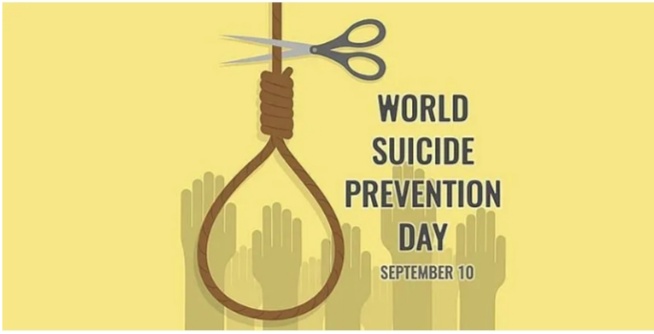
Especially during exam season in Assam. Hence, it is very important to talk about suicide and depression out loud. In 2013, the International Association for Suicide Prevention (IASP) collaborated with the World Health Organisation (WHO) and the World Federation for Mental Health (WFMH) hosted the first ever World Suicide Prevention Day.
According to the National Crime Records Bureau (NCRB), in 2014 alone, 8,032 student suicides were reported, out of which, in only 30% of these cases, failure in exams was the cause. In the majority of cases, there are other causes that trigger student suicides.
There are several reasons that can lead a person to this decision but there can also be just one powerful reason to prevent them from ending the magic called life. All one has to keep in mind is the pain they will be leaving for their loved ones behind and that after a dark night, the sun always rises high.
Suicide is an ever-increasing phenomenon, especially in recent years. Due to Failure in exams. Depression and suicidal thoughts are two of the most frightening things a person can face in their lifetime. Unfortunately, acting on those suicidal thoughts is a far too common scenario for many across the world, including students in Assam also. In fact, suicide is the second-leading cause of death for those between the ages of 15 and 24 (class X to XII are more). Suicides among children and young adults peak at the beginning of exam season, it has emerged, adding to fears that pressure to get good results is harming mental health. Suicide prevention starts with recognizing the warning signs and taking them seriously. If you think a friend or family member is suicidal, there’s plenty you can do to help save a life.
Warning signs of Suicide:
• Suicide threats. It has been estimated that up to 80% of all suicide victims have given
some clues regarding their intentions. Both direct (I want to kill myself) and indirect (I
wish I could fall asleep and never wake up) threats need to be taken seriously.
• Suicide notes and plans. The presence of a suicide note or plan is a very significant sign
of danger.
• Prior suicidal behavior. Prior behavior is a powerful predictor of future behavior and
anyone with a history of suicidal behavior should be taken seriously.
• Making final arrangements. Making funeral arrangements, writing a will, and/or giving
away prized possessions may be warning signs of impending suicidal behavior.
• Preoccupation with death. Excessive talking, drawing, reading, and/or writing about
death may suggest suicidal thinking when this behavior is new or out of character for
the individual.
• Changes in behavior, appearance, thoughts, and/or feelings. Depression (especially
when combined with hopelessness), sudden happiness (especially when preceded by
significant depression), a move toward social isolation, giving away personal
possessions, and reduced interest in previously enjoyable activities are among the
changes considered to be suicide warning signs.
The following are also warning signs. The risk of suicide is greater if a behavior is new or has
increased and if it seems related to a painful event, loss, or change.
• Talking about feeling trapped or in unbearable pain
• Talking about feeling hopeless or having no reason to live
• Talking about being a burden to others
• Increasing use of alcohol or drugs
• Acting anxious or agitated; behaving recklessly
• Sleeping too little or too much
• Withdrawing or isolating themselves
• Showing rage or talking about seeking revenge
• Displaying extreme mood swings
Respond to students who may be at risk for suicide
Take action if you encounter someone who is at immediate risk
Someone is considered at immediate risk if they are:
• Talking about wanting to die or to kill oneself
• Looking for a way to kill oneself, such as searching online or obtaining a gun
• Talking about feeling hopeless or having no reason to live
If you believe someone is in crisis or immediate risk of suicide, take action by following these
steps right away:
If the individual presents an immediate danger to themselves or others call at 800-273-TALK (8255) or call 911 immediately.
Stay with the person. Do not leave an individual in crisis alone until help has been
contacted and agrees to provide appropriate supervision. If you can, remove any
potential means, such as pills.
If you are on campus and the individual does not present an immediate danger to themselves or others, you can escort them to Counseling and Psychological Services or contact them at 800-273-TALK (8255)
Reach out to someone who may be at risk
If an individual does not display signs of immediate risk for suicide but you are concerned about
their wellbeing (as described in the section, “Identify Those Who May Be at Risk for Suicide”),
you can take the following steps.
• Talk to the person directly about suicide in order to assess for risk of suicide or other
forms of self-injury. Asking “Are you thinking about suicide?” will not put the idea into
their head. Knowing the risk factors and warning signs of suicide will help you
determine an immediate threat.
• Listen without judging and show you care. Allow for the discussion of experiences,
thoughts, and feelings. Be prepared for expression of intense feelings. Try to understand
without taking a position about whether or not such behavior is justified.
• Remain calm. Becoming too excited or distressed will communicate that you are not
able to talk about suicide.
• Ask if there is a plan. If the individual mentions a plan, report this plan when contacting
Campus Police or Counseling and Psychological Services. As long as it does not put you
or others in danger, attempt to remove the means.





 Birdao site